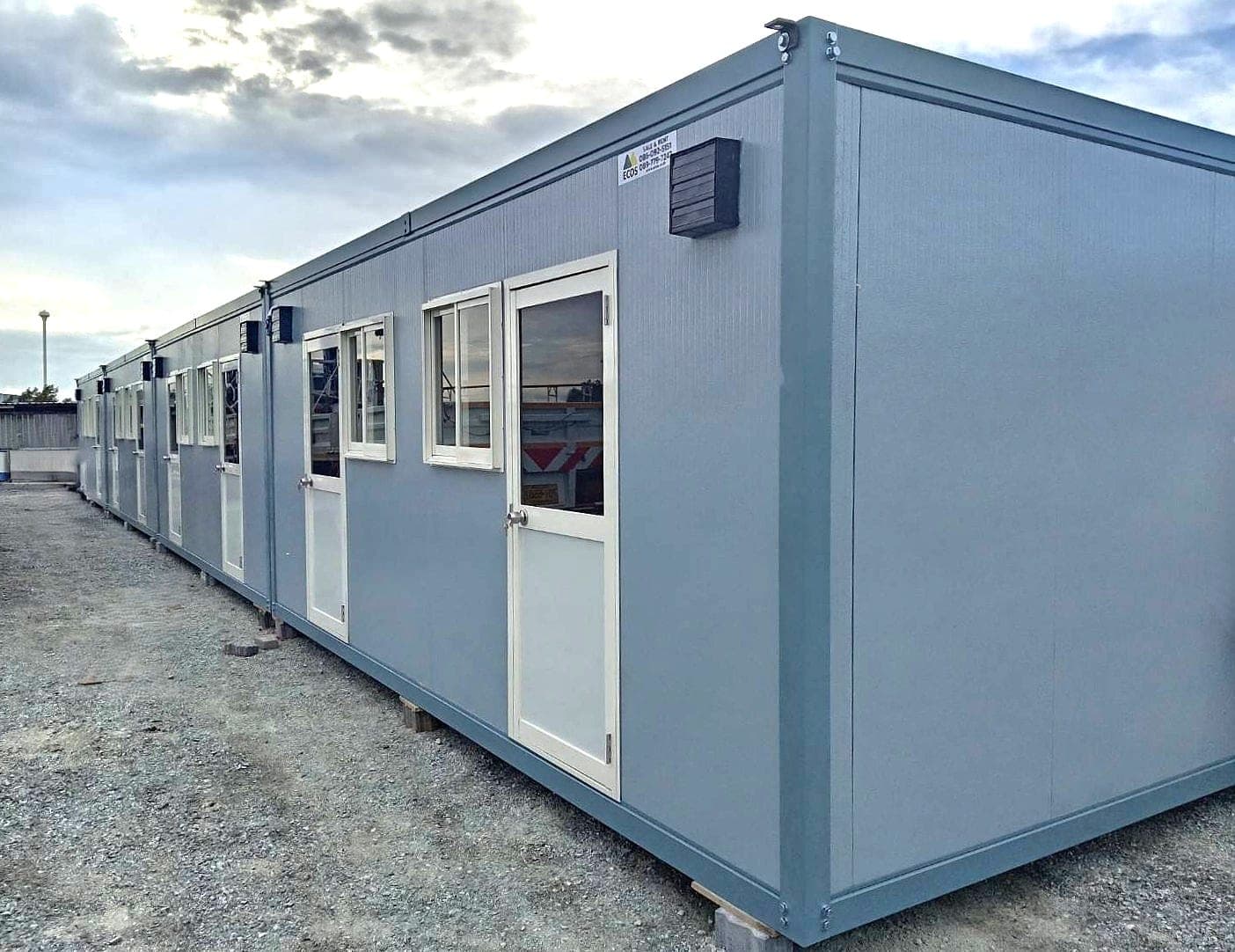
ตู้คอนเทนเนอร์สำเร็จรูป
Why a rental unit house survives dozens of moves ECOS units vs low-cost imported houses (mainly Chinese-made)
· 3 min read
In this article
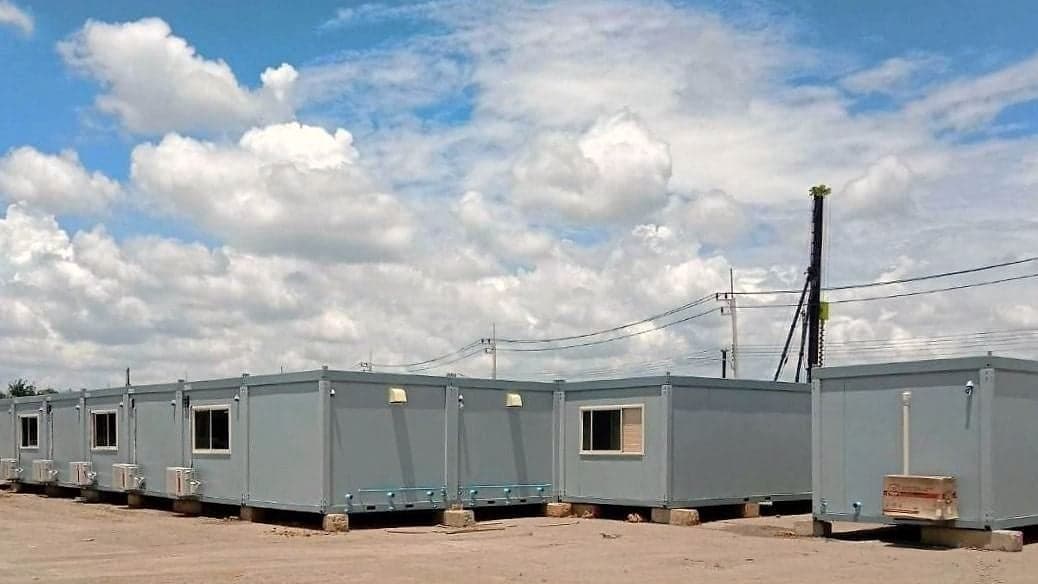
A rental unit house moves site two or three times a year or more; over ten years that is dozens of moves. Rental is the centre of what ECOS does, so our units are built from the start on the assumption that they will be moved dozens of times.
In recent years, low-cost imported houses (mainly Chinese-made) have come to be sold just about everywhere. They look very similar and are taken for the same "knock-down house", but inside they are a different product. This article sets out only the differences that matter to a renter, as facts. It is not about which is better; it comes down to whether the house will be moved or not.
1. If it stays in one place, an imported house makes sense
Low-cost imported houses (mainly Chinese-made) mass-produce each part in separate factories and assemble them with bolts and nuts only. With no welding, no roofed factory is needed, and taken apart they pack tightly into containers. If the house is placed once and never moved, this is a good way to build.
2. What happens when it is moved
- Transport vibration loosens the bolts, and once the frame twists it does not come back. Every move takes it a step closer to falling apart.
- Once assembled, it cannot be taken apart; taking it apart damages it.
- The side panels cannot be removed, so replacing one panel means stripping down from the roof. It takes time, and things get damaged.
- The finish is baked-on paint, so scratches are hard to fill; it ends in replacement.
- Even moved carefully, it is used up after about 5 or 6 sites.
A renter cannot see how many times the unit that arrives has already been moved. That is why the way it is built matters.
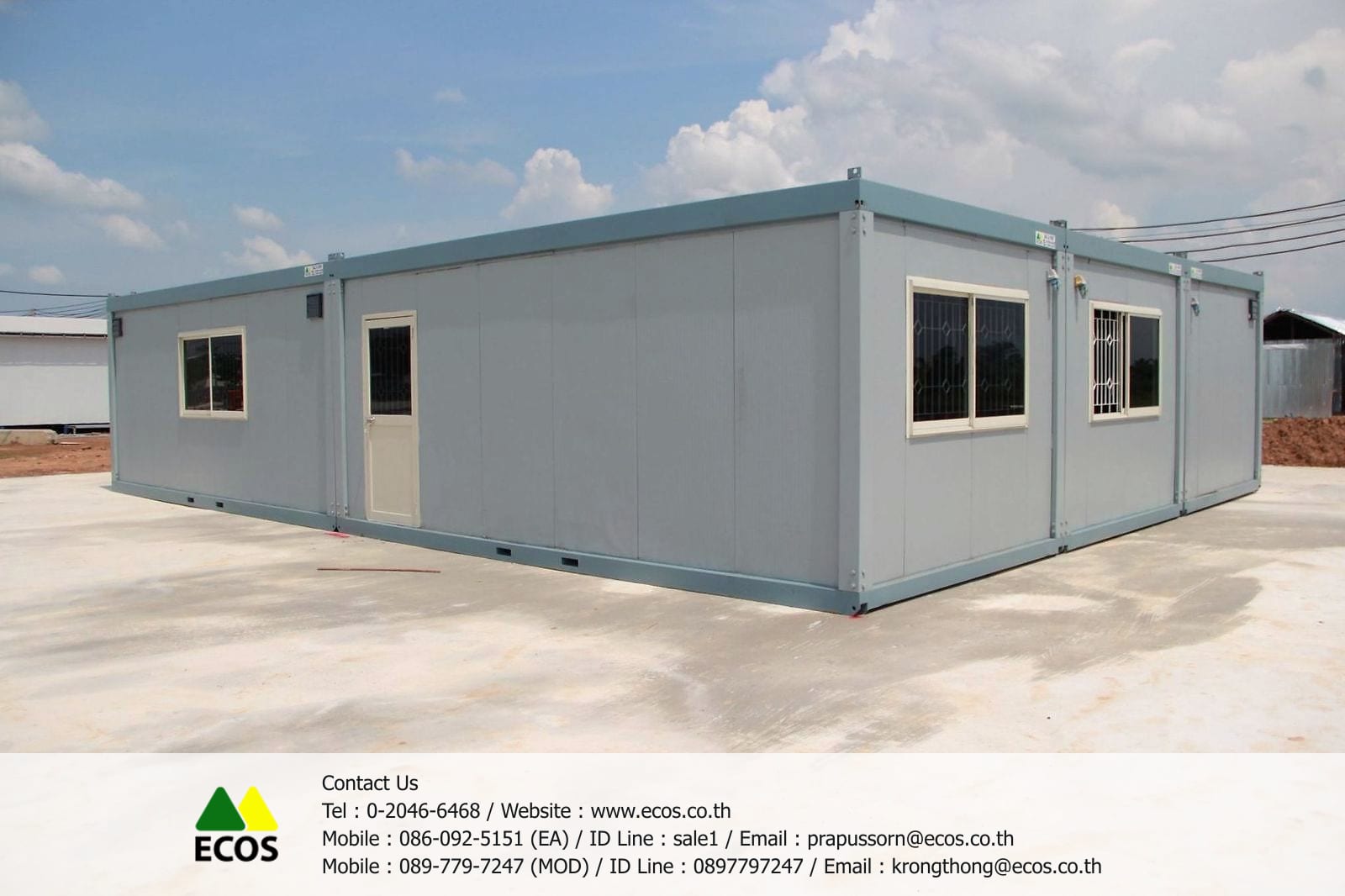
3. ECOS units are built to be moved dozens of times
- The roof base and floor base are welded in the factory. Welding needs equipment and adds cost, but the unit keeps its shape after dozens of lifts.
- The frame (roof base, columns, floor base) bolts together, so it can be taken apart for transport.
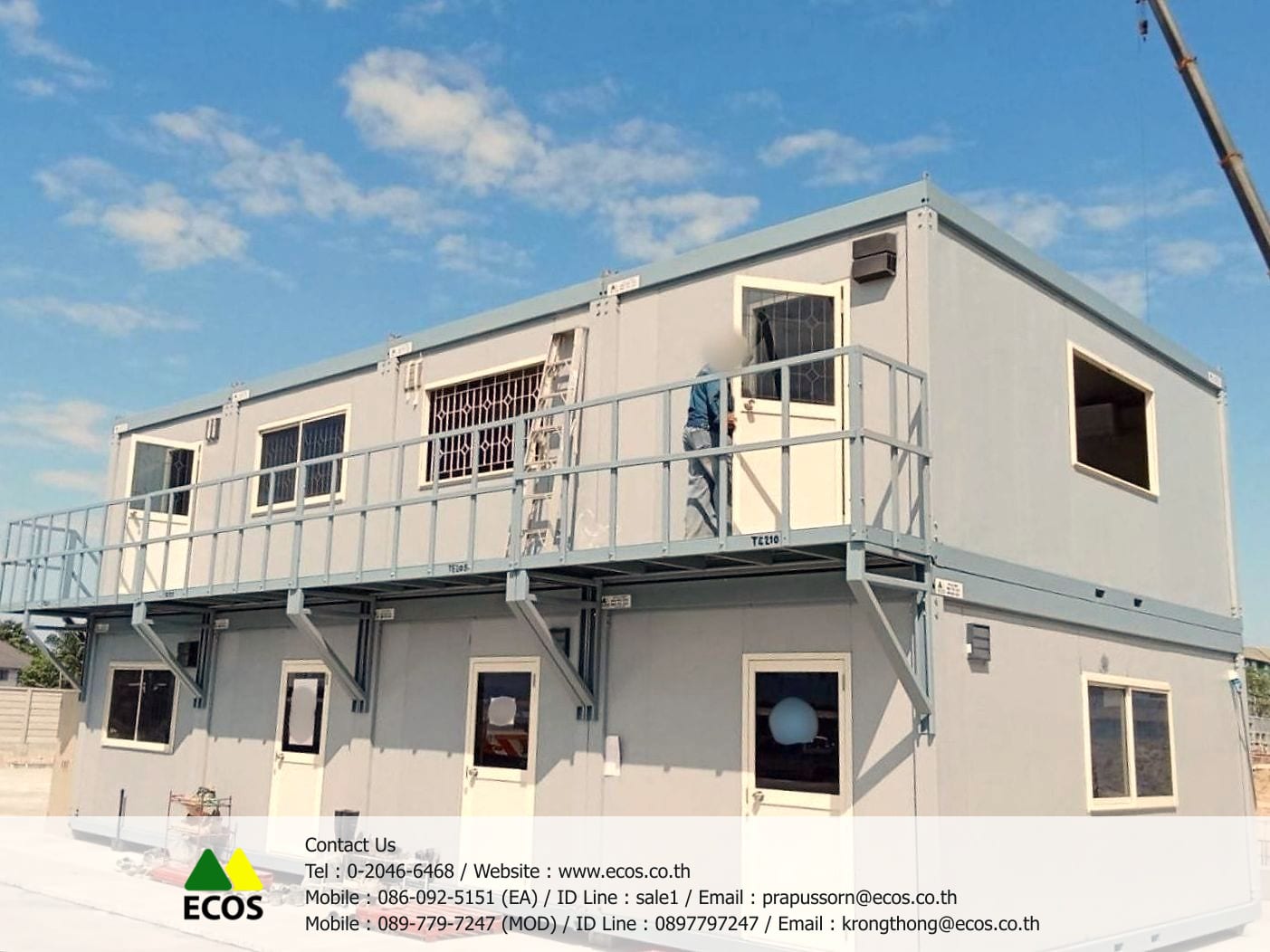
- Wall panels, windows and doors slot in between the columns. So we can turn the door and windows to suit your site before delivery, and after return we replace only the worn panels and send the unit to the next site (see how a unit house lets you change walls, windows and doors after installation, illustrated).
- Insulation is injected polyurethane foam, rigid in itself and part of the panel strength. The skin is 0.3 mm embossed steel; the floor steel is 1.6 mm and 2 mm.
- Ten years and more in rental service, then a second life as a used unit for another 10 to 20 years.
4. "Would welding an imported house make it the same?"
We are often asked. It helps a little. But 1.2 mm floor steel is not suited to welding (normally 1.6 mm or more is needed); it burns through. There are many weld points, and thin steel has to be welded slowly, so labour and cost mount up. Even then, the same strength is hard to reach.
5. A comparison for renters
| Point | Low-cost imported house (mainly Chinese-made) | ECOS unit house |
|---|---|---|
| Assembly | Bolts and nuts throughout | Frame bolted; roof and floor bases welded |
| When moved | Bolts loosen; twist does not come back | Keeps its shape after dozens of lifts |
| Damage on site | Strip from the roof; hard to fill and repair | Replace one panel where it is |
| Door and window positions | Cannot be changed | Arranged for your site before delivery |
| Insulation and steel | Soft EPS; steel under 0.3 mm | Injected polyurethane foam; 0.3 mm embossed steel |
| Service life | About 5 to 6 sites | 10+ years in rental, then 10 to 20 more as a used unit |
| Suited to | Staying in one place | Repeated moves, rental |
6. In short: a price is a price
A low price has its reasons. A higher price has its reasons too.
Imported houses cost less because they skip welding, use minimal materials and are mass-produced and shipped to be assembled anywhere. If the house stays put, that is enough.
ECOS builds units that can be moved dozens of times and keeps them in circulation, which brings the cost down. Nothing ends as scrap, which is recycling in itself. That is why we can offer rental at this level.
Suppose you took an imported house and reworked it until it could serve in rental: weld the bases, change the floor steel to 1.6 mm or more, replace the panels with polyurethane foam and 0.3 mm embossed steel. The price does not come out below ours. It comes out the same, or higher.
A price is a price. When renting, too, do not compare the monthly rate alone; compare what happens on site.
To rent, contact us. Related: how a unit house lets you change walls, windows and doors after installation (illustrated) / Container rental prices / Worker house rental